
The lash clusters aren't just a trend that'll fizzle out next season. They've been quietly eating into traditional extensions for a while now, and honestly? It makes sense.
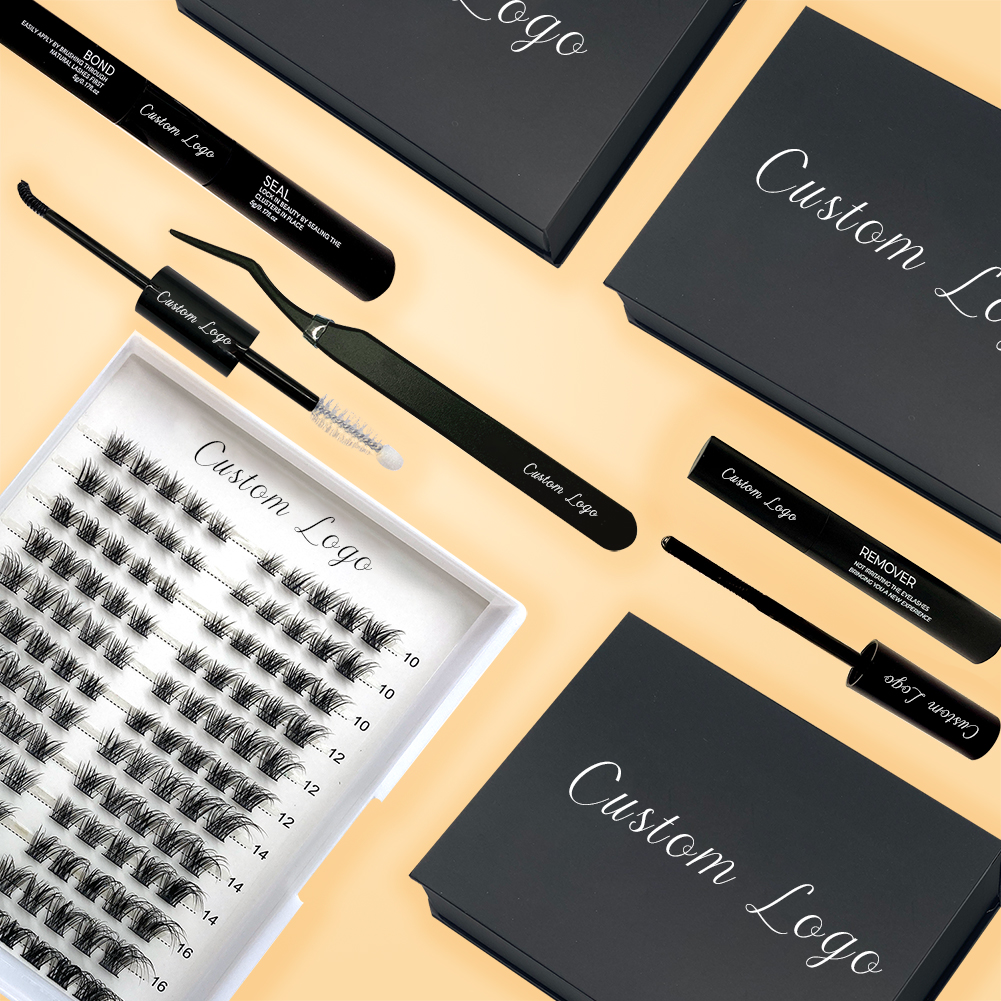
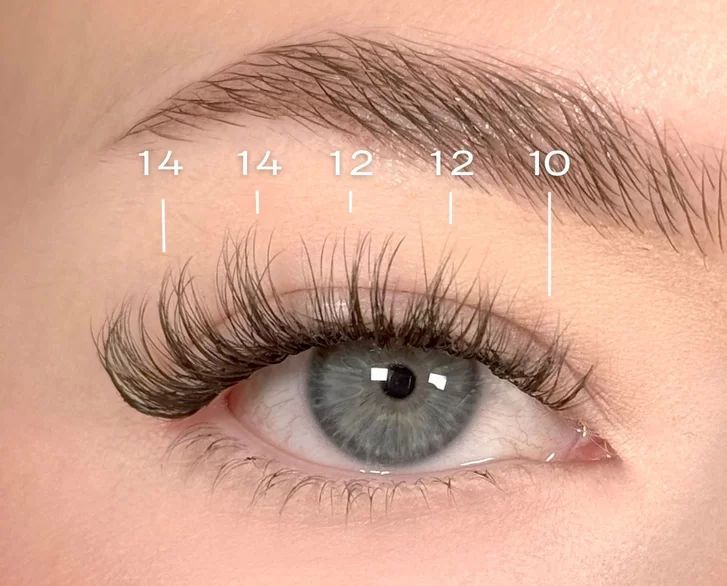
Think about it. With one diy lash extension kit, you get to mix lengths (8mm inner corner, 10mm mid, 12mm outer, or 10mm inner corner, 12mm mid, 14mm outer — or however you want to play it), swap between C, CC, and D curls, and dial the thickness up or down depending on whether someone wants fox eye drama or fluffy everyday softness. That kind of range used to take years of training to pull off. Now? You're good to go in minutes.
And the product itself is dead simple. Pre-formed diy lashes + the bond and seal that's already in the box. No lash tech. No booking an appointment. Glue it, pinch it, move on with your day.
Qingdao's the place where most of this is coming from, by the way. The whole supply chain is crammed into one region — raw materials, processing gear, R&D brains — so the lash factories there aren't just stamping out someone else's design anymore. They're running their own R&D and QC, which is exactly what downstream distributors are pushing for. They want stuff that's fresh, ships fast, and checks all the compliance boxes without back-and-forth headaches.
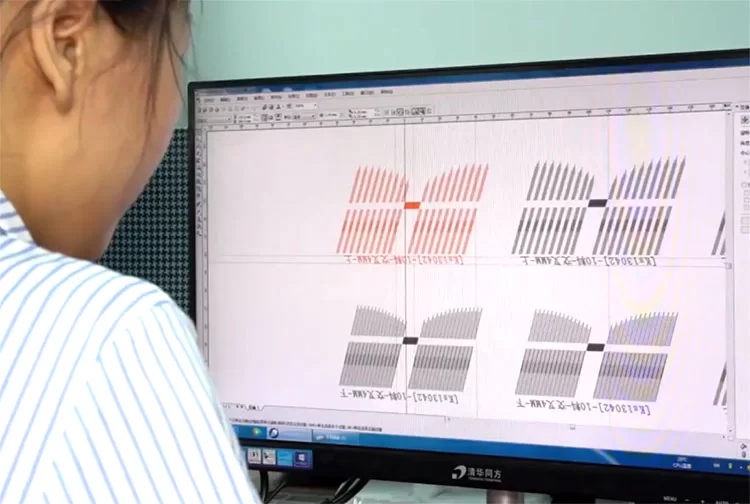
One factory that's actually walking the walk is LamyLash. These guys have been doing lashes since 2008 — we're talking 5,000 sqm of floor space, 50 machines humming, 300+ workers on the line, and a 50-person R&D crew. Back in 2020 they went all in on eyelash clusters, spinning up dedicated project and design teams just for that category. Right now the catalog's at 300+ SKUs, and they drop about three new ones a week. Not kidding.
What I actually like about their setup is the service side. They've got a project department that handles all the boring-but-critical stuff most factories pretend doesn't exist — product selection, application training, and a proper closed-loop feedback system where complaints actually go somewhere.
Now the part you probably care about: what's in it for your business?
Time, for starters. Classic individual extensions? 15 to 30 minutes per eye, easy. DIY lash extensions cut that to 5–10 minutes. Do the math on how many extra clients that adds to your day with the same chairs.
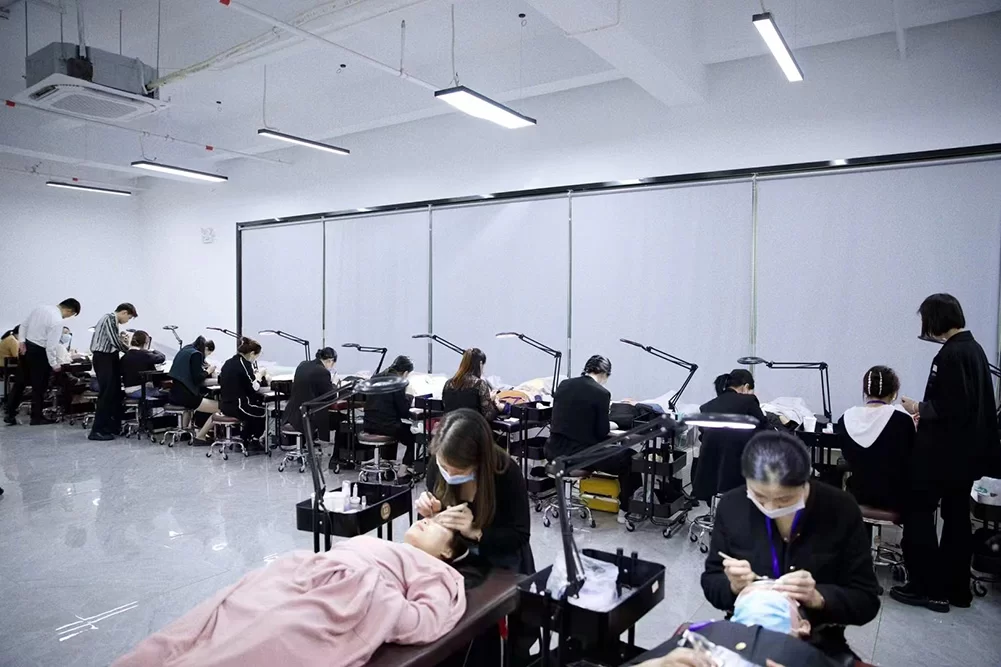
Training costs drop hard too. These things are way less technical, so new hires aren't stuck shadowing for weeks before they can do a paying client. Get them up, get them earning, done.
Inventory headache? Way less. Instead of guessing which single-length SKU will sell and sitting on dead stock, you mix a few lengths and curls into combos that cover most of what people want.
Repeat customers come easier because the lashes are reusable and they don't wreck natural lashes. People tend to stick around when something actually works for them.
And more variety on display means more walk-ins curious enough to try extensions for the first time. That's just math.
As for where these get used — everywhere, basically. Salons. Home routines. Online shops (a lot of sellers use these as their traffic magnet, then upsell with bundles and trial kits). They're also stupid good for content — short videos and step-by-steps where the before-and-after does all the talking. Visual proof sells.
If you're on the brand or distribution side, the manufacturing piece is already figured out. Companies like LamyLash handle OEM/ODM at scale. You just spec what you want and they make it happen.

